Tying the Knot: The Meaning Behind the Handfasting Wedding Ceremony
When couples say they are “tying the knot,” the phrase actually comes from a real wedding tradition that dates back hundreds of years. Today, many modern couples are rediscovering this symbolic ritual known as handfasting, incorporating it into their ceremonies as a meaningful moment before exchanging their wedding rings.
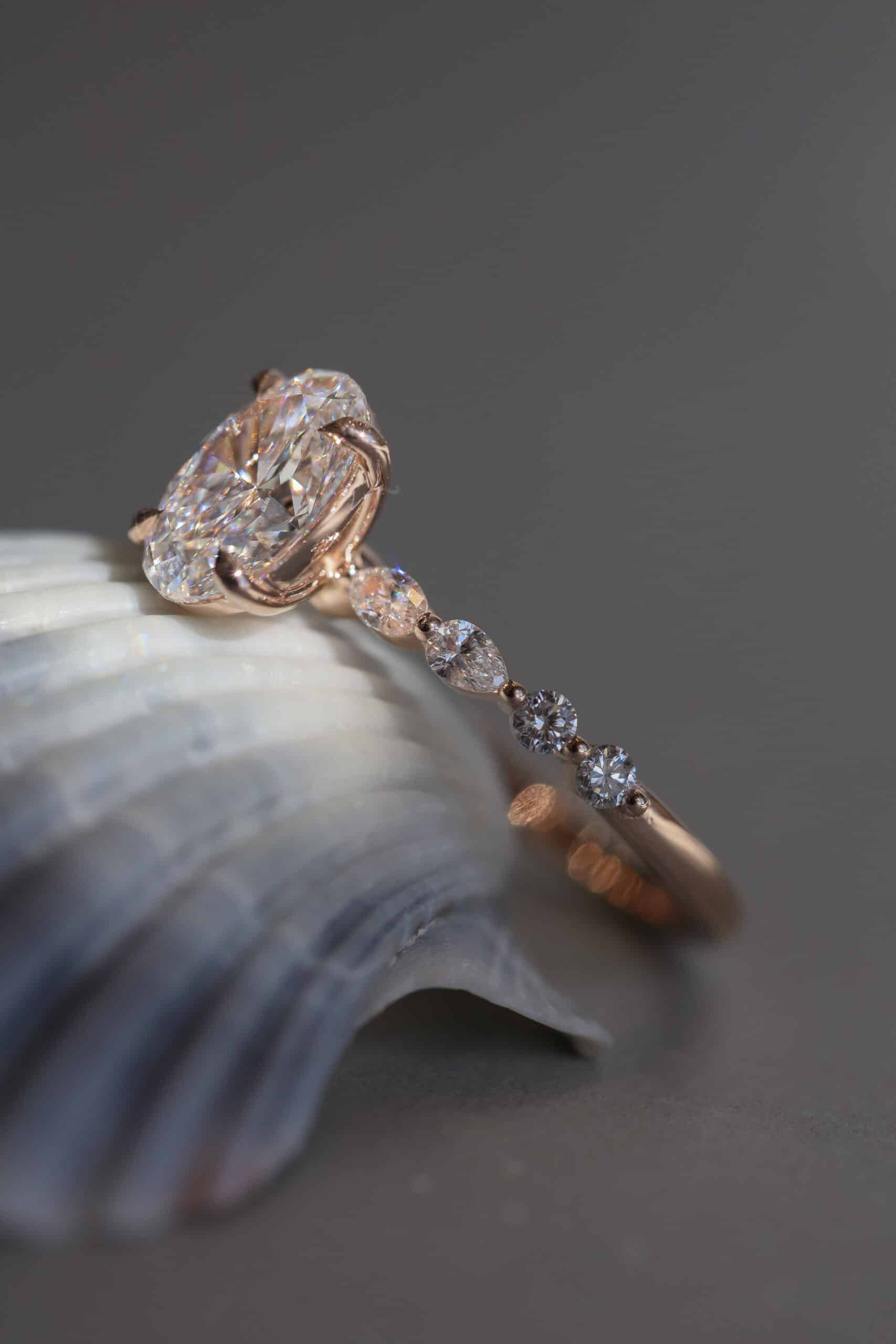
At Aurupt Jewellers in Brisbane, we see more couples embracing unique wedding traditions that add deeper significance to their special day. Handfasting is one of those timeless rituals that beautifully complements the moment when custom engagement rings and wedding bands are exchanged.
If you’re planning your wedding and want a ceremony filled with symbolism, heritage, and unforgettable imagery, here is everything you need to know about the handfasting ceremony.
What is a Handfasting Ceremony?
Handfasting is an ancient Celtic and Norse wedding tradition in which a couple’s hands are bound together using ribbons, cords, or cloth to symbolise their union. The ritual represents two lives being tied together in commitment and partnership.
Historically, handfasting was sometimes used as a formal betrothal or trial marriage in medieval Europe. Couples would publicly declare their commitment and live as partners for a year and a day before making the union permanent.
Today, the ritual has evolved into a symbolic unity ceremony often included in modern weddings. It can be used in religious, spiritual, or secular ceremonies and pairs beautifully with the exchange of custom wedding rings.
How the Handfasting Ritual Works
While each ceremony can be customised, the typical handfasting ritual follows a simple and meaningful sequence.
1. The Joining of Hands
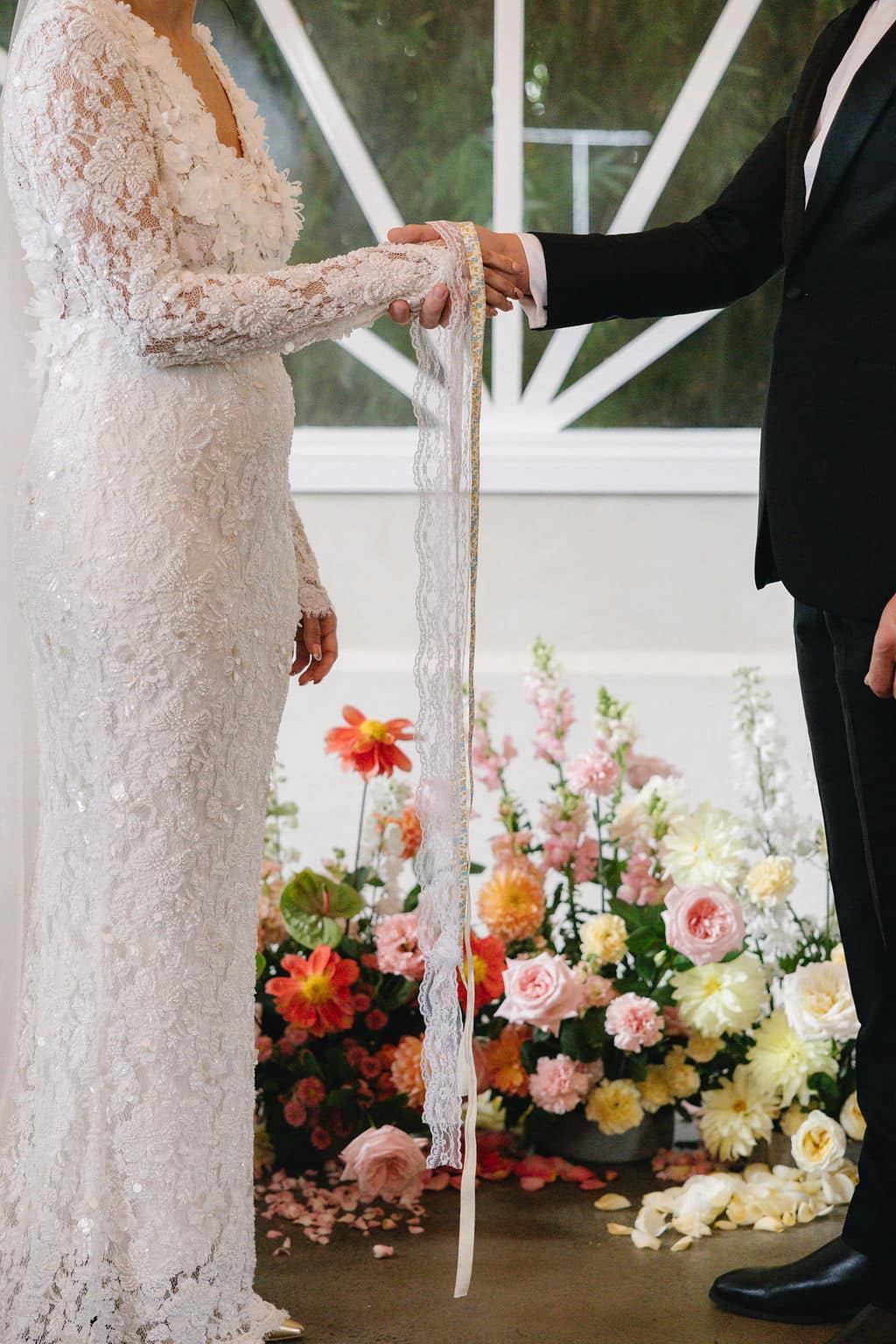
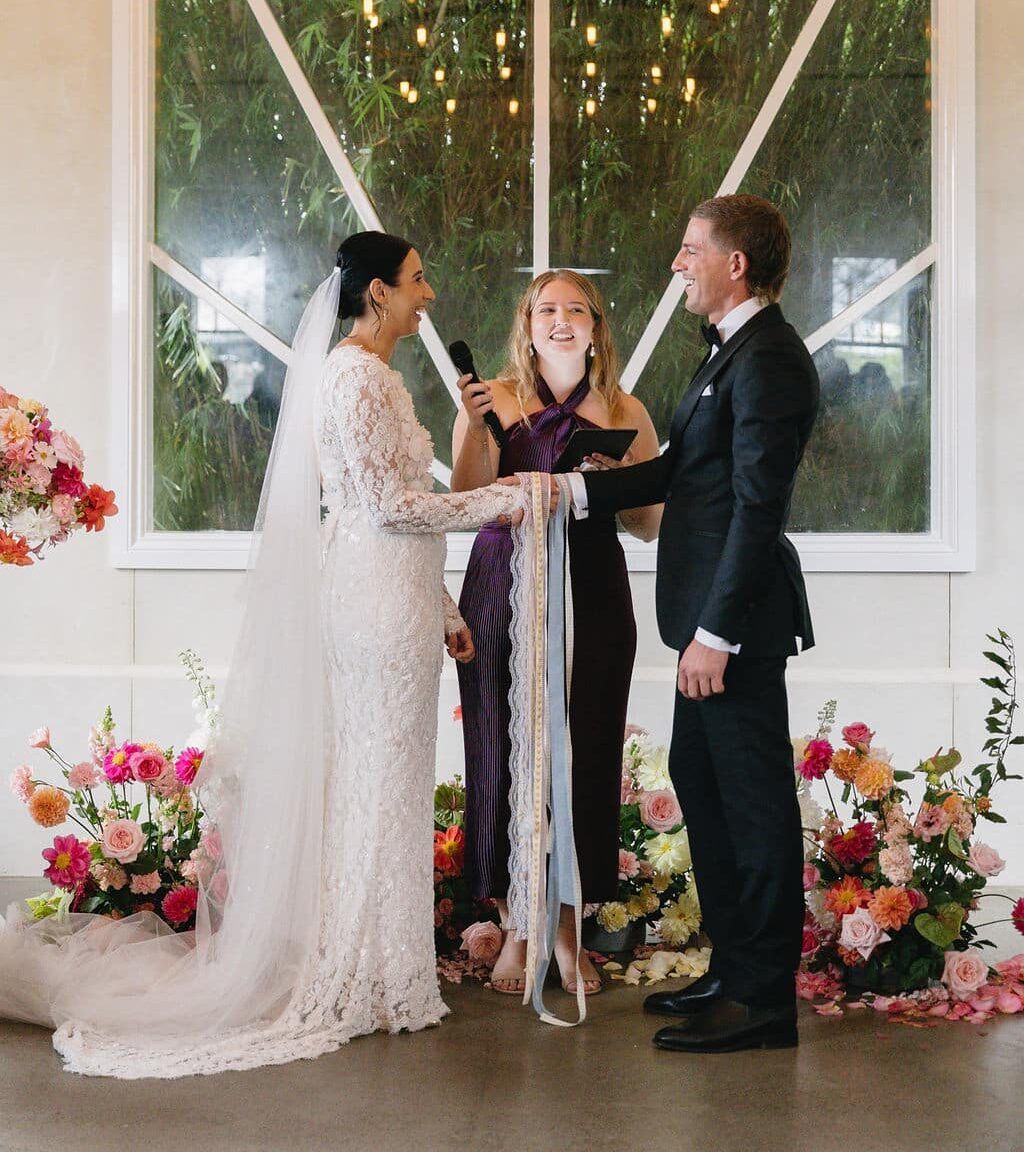
The couple stands facing each other and joins hands. Traditionally this is right hand to right hand and left hand to left hand, forming an infinity symbol that represents eternal love.
2. The Wrapping of the Cord
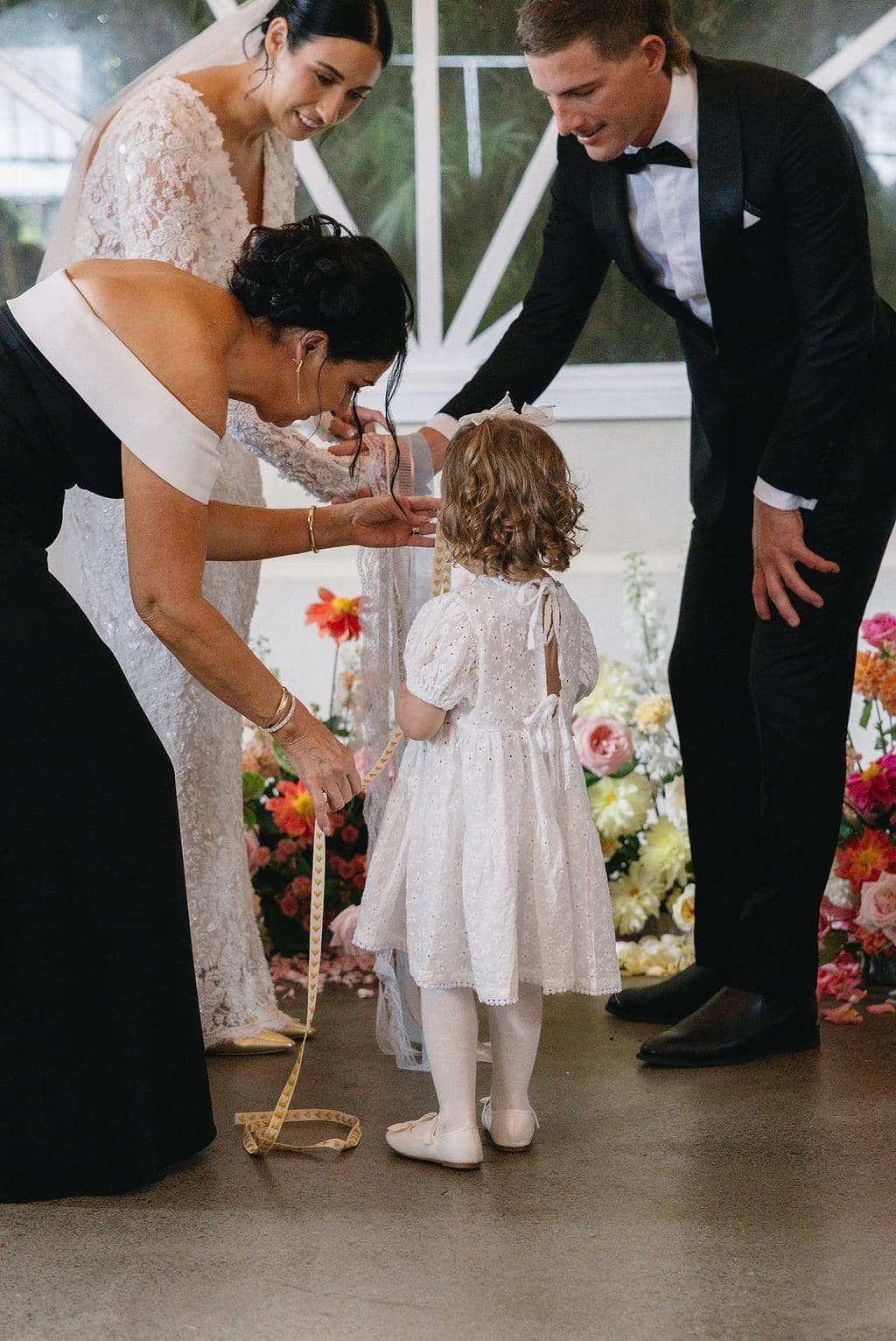
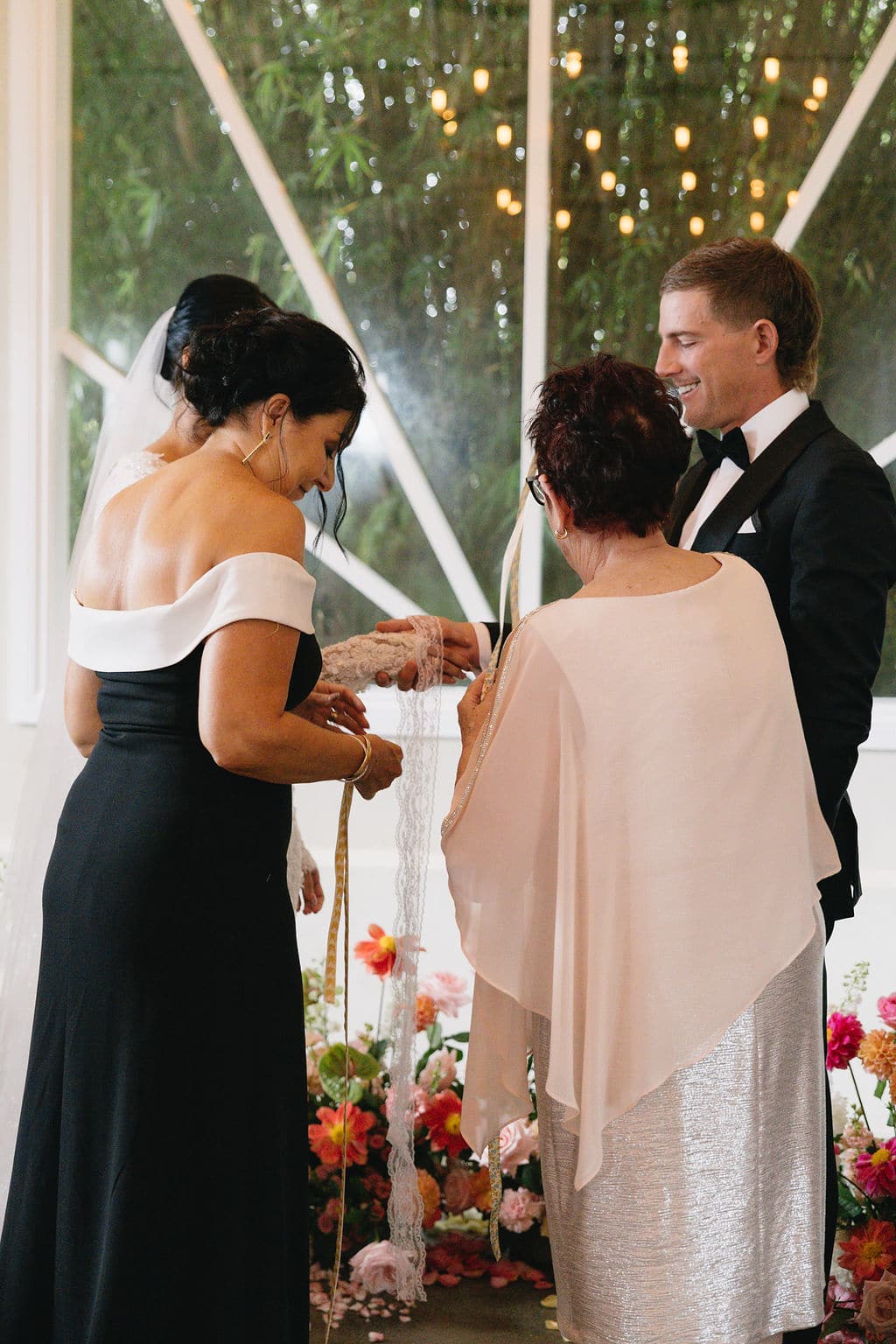
An officiant, celebrant, or family member wraps ribbons, cords, or fabric around the couple’s wrists. Each wrap may symbolise a promise such as love, loyalty, or strength.
3. The Binding Promises
As the cord is wrapped, the officiant may read blessings, poetry, or traditional vows while the couple declares their commitment to one another.
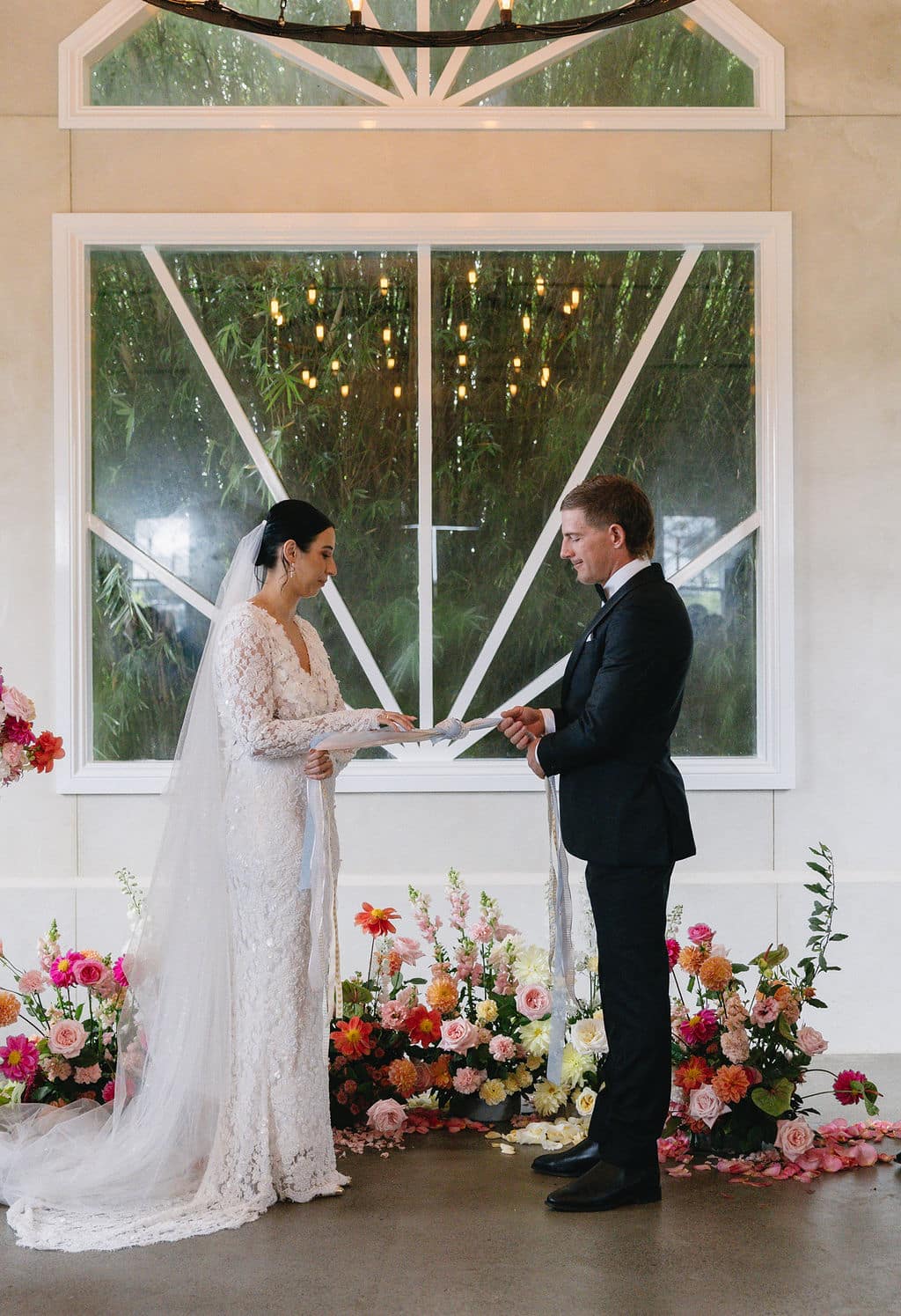
4. The Knot is Formed
When the ceremony is complete, the couple gently withdraws their hands, tightening the loops into a physical knot. This symbolic knot represents the moment their lives are forever joined.
Moments later, couples often proceed to the exchange of wedding bands, making the ritual a beautiful lead-in to placing rings on one another’s fingers.
Why Couples Love Handfasting
Many modern couples choose handfasting because it creates a personal, visually powerful moment within the ceremony.
A Highly Personal Tradition
The cords or ribbons can be customised to reflect your story. Some couples use family heirlooms, lace from a wedding dress, clan tartans, or fabrics that match their wedding colours. Others invite family members to place individual ribbons to represent their support.
Incredible Wedding Photography
Unlike the quick moment of exchanging rings, handfasting unfolds slowly and deliberately. This creates stunning images that capture the emotional connection between the couple.
A Meaningful Keepsake
After the ceremony, the tied cord remains intact. Many couples keep their handfasting knot as a keepsake, displaying it in their home as a reminder of their vows and the day they began their life together.
Handfasting Ribbon Colours and Their Meanings
Many couples choose ribbon colours based on traditional symbolism. Some popular choices include:
Red – Passion, strength, and fertility
White – Purity, peace, and new beginnings
Blue – Fidelity, sincerity, and patience
Gold – Prosperity, wisdom, and longevity
Green – Growth, health, and good fortune
Couples often combine multiple colours to represent different aspects of their relationship and future together.
A Quick Tip for Couples Planning a Handfasting
If you are including handfasting in your wedding ceremony, practice the tie during your rehearsal. This ensures the cords are wrapped comfortably and that the final knot forms cleanly when you withdraw your hands.
A well-rehearsed handfasting creates a smooth and visually striking moment for both your guests and your photographer.
The Perfect Moment Before Exchanging Wedding Rings
Handfasting is a powerful reminder that marriage is about more than a single moment. It represents the intertwining of two lives, families, and futures.
Immediately after the knot is formed, many couples proceed to exchange their custom wedding bands, symbolising a promise that will last a lifetime.
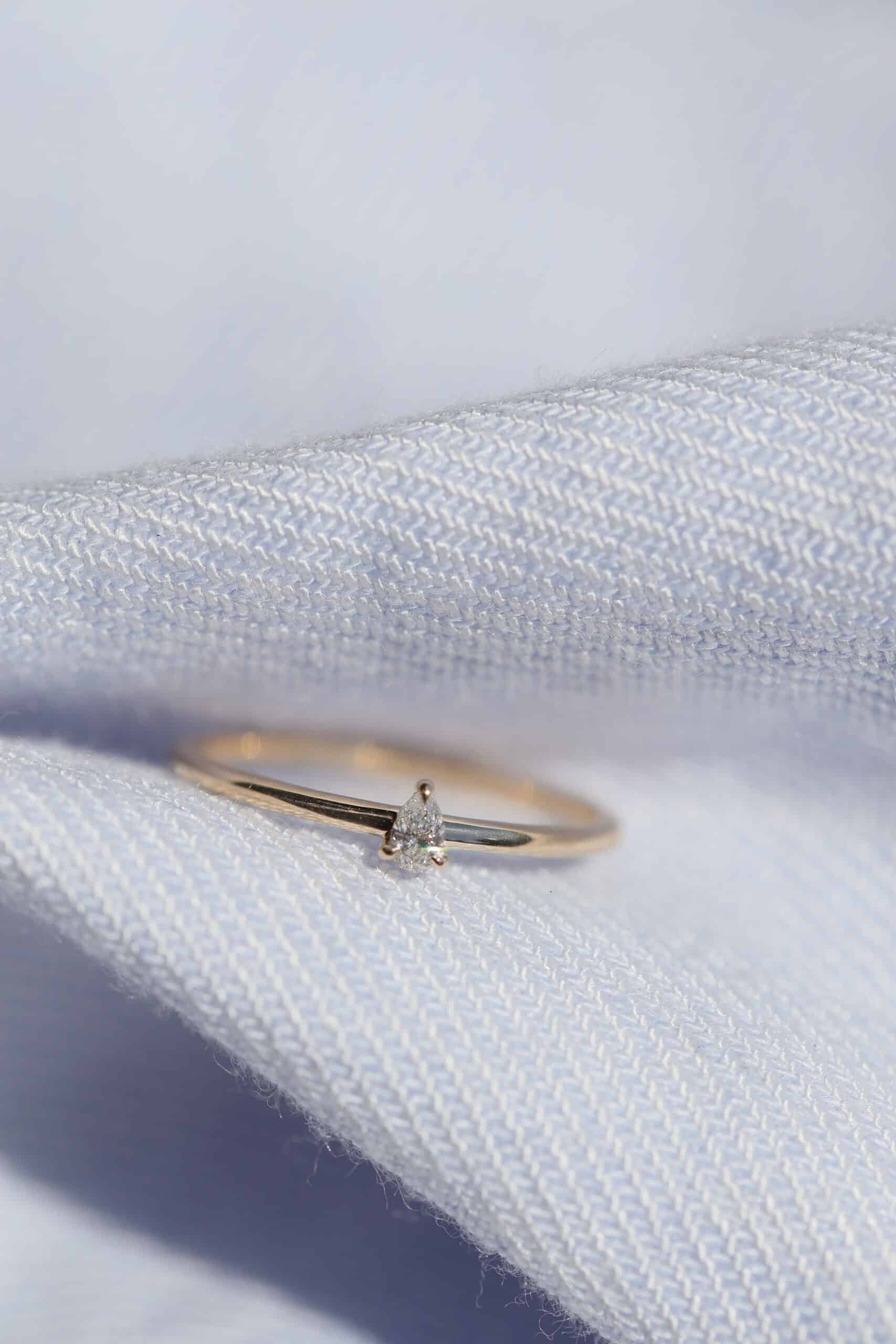
At Aurupt Jewellers, we specialise in handcrafted engagement rings, custom wedding rings, and bespoke jewellery in Brisbane. Whether you’re planning a traditional ceremony or incorporating meaningful rituals like handfasting, the rings you exchange should reflect the same level of significance.
Planning Your Wedding Rings?
Visit Aurupt Jewellers in Brisbane to explore our collection of custom engagement rings, wedding bands, and handcrafted jewellery, or book a consultation with our team to create a piece that tells your story.
Because some traditions deserve to last forever.